

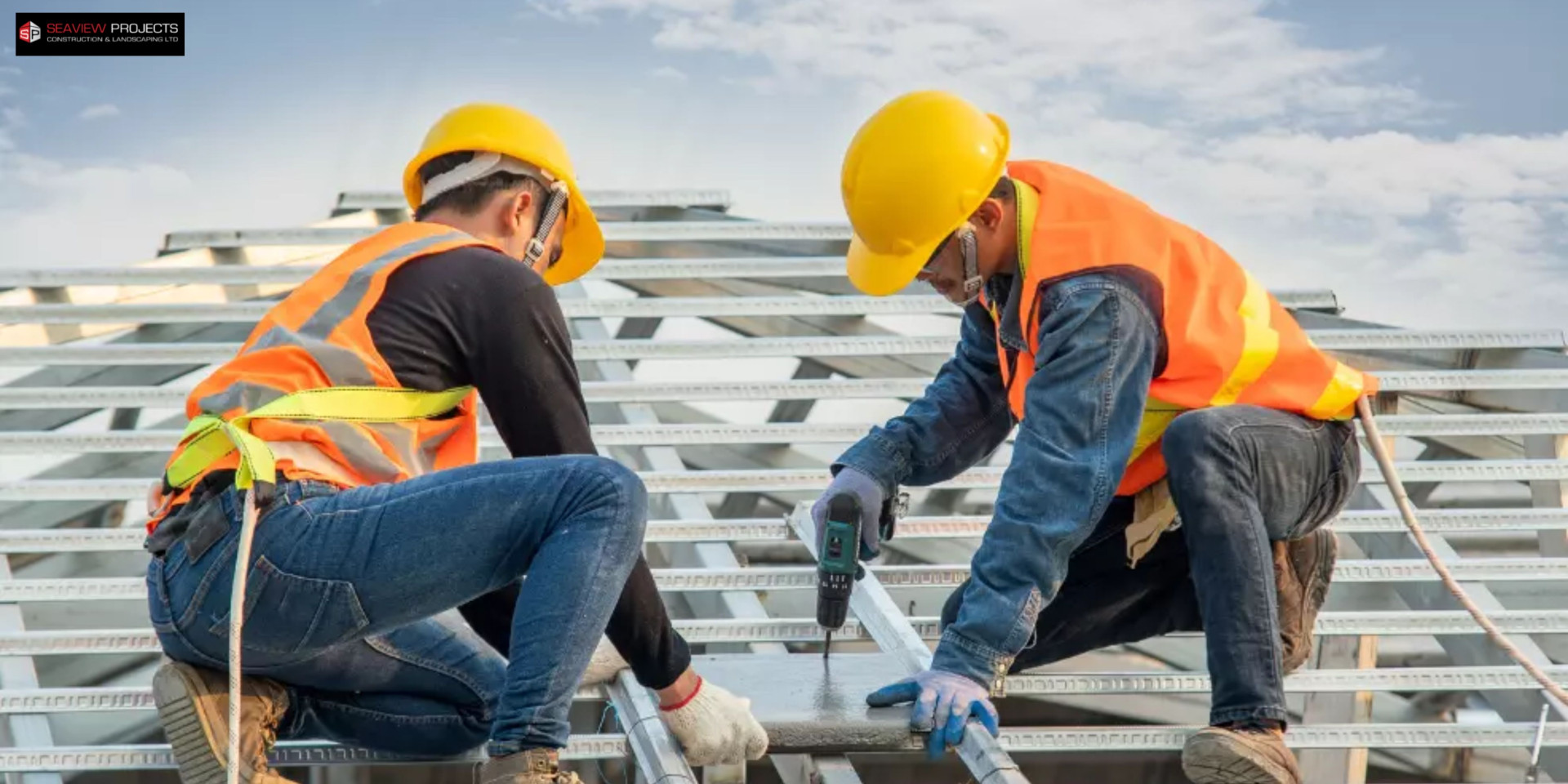
Top 10 roofing repair tips for homeowners in 2025?
A roof is easy to forget when everything is working as it should. Most homeowners only start paying attention when water stains appear or when something goes wrong after a storm.
In New Zealand, residential roofs usually last between 20 and 30 years, depending on the materials used and how exposed the home is to wind, rain, and coastal conditions. This is why regular care is essential, not optional.
Many roofing problems develop slowly. By the time damage is visible indoors, repairs are often more complex and expensive. The roofing repair tips below are written to help homeowners understand what to look for, what to fix early, and when professional help is needed, especially for homes in Auckland, where weather conditions can change quickly.
1. Get into the habit of checking your roof
The first step is consistency. A roof should be checked at least twice a year. Autumn and spring are good times because they sit between extreme weather seasons. It is also sensible to check the roof after strong winds or heavy rainfall.
You do not need specialist tools for a basic inspection. Look for anything that seems out of place. This includes loose tiles, lifted metal sheets, cracked areas, or flashing that no longer sits flat. Catching these issues early often prevents water from entering the roof space.
2. Keep gutters and downpipes free from blockages
Blocked gutters are one of the most common causes of roof-related water damage. When water cannot flow away, it overflows and spreads to areas not designed to handle it. Over time, this affects roof edges, soffits, and even internal ceilings.
Regular gutter care should include:
- Removing leaves and organic debris
- Making sure downpipes are clear
- Checking that gutters are firmly fixed
This simple maintenance step greatly reduces the chance of roof repairs Auckland homeowners often deal with after storms.
3. Do not ignore moss or surface growth
Moss and lichen grow slowly, which is why they are often ignored. However, they hold moisture against roofing materials. Over time, this weakens tiles, metal coatings, and sealants.
Cleaning should be done carefully. High-pressure washing can damage roof surfaces, particularly tiles. Gentle treatment or professional cleaning is usually the safest option when growth is widespread.
4. Fix minor issues before they grow
A loose screw or a small crack may not seem urgent. However, water always finds the weakest point. Once it enters, it spreads and causes damage that is harder to repair.
Ceiling marks, damp insulation, or peeling paint are often signs of a problem that started small. Dealing with minor damage early helps protect the roof structure and reduces future costs.
5. Check flashings more often than you think
Flashings protect the most vulnerable parts of a roof. These include areas around chimneys, vents, skylights, and roof joins. When flashings fail, leaks usually follow.
During inspections, check that flashings are secure, free from rust, and properly sealed. Replacing damaged flashings is one of the most effective ways to prevent ongoing water entry.
6. Pay attention to metal roof fixings
Metal roofs expand and contract with temperature changes. Over time, this movement can loosen screws and wear out washers.
Loose fixings should be tightened, and damaged washers replaced. While this task seems minor, it plays a significant role in keeping the roof watertight during heavy rain and strong winds.
7. Look inside the roof space and ceilings
Not all roofing problems show on the surface. Many appear first. Because of this, homeowners should occasionally check attic spaces and ceilings.
Look for damp patches, mould, or unusual smells. These signs often point to slow leaks that may not yet be visible outside. Early action prevents severe internal damage.
8. Understand when building consent is required
Some roofing work can be done without council approval. General maintenance and like-for-like repairs are usually allowed. However, this is not always the case.
Changes that affect the structure or involve different roofing materials may require consent. Homeowners should always confirm requirements before starting work.
9. Take Auckland’s conditions into account
Auckland homes face regular rainfall, high humidity, and in many areas, coastal air. These conditions increase wear on roofing materials.
Homes closer to the coast need corrosion-resistant materials and more frequent inspections. Planning maintenance around local conditions helps extend roof life.
10. Know when maintenance is no longer enough
Some issues cannot be solved with minor repairs alone. Repeated leaks, ongoing moisture, or visible movement in the roof structure require professional assessment.
In some instances, water damage extends beyond the roof and affects wall systems. When this happens, homeowners may need to consider a recladding service in Auckland to restore complete weather protection.
Conclusion
Roof care is not something that should be delayed. Small checks and early repairs make a real difference over time. By following these roofing repair tips, homeowners can reduce long-term damage and avoid unnecessary repair costs.
When expert support is needed, Seaview Projects provides dependable solutions for roof repairs that Auckland homeowners rely on. In cases where wider protection is required, Seaview Projects also assists with options connected to recladding services in Auckland, helping homeowners protect their property for the future.
Frequently Asked Questions
1. How often should a professional inspect a roof?
A professional inspection is recommended once a year. Additional inspections are advised after severe storms or prolonged heavy rainfall.
2. Can a minor leak be fixed without replacing the roof?
Yes. Small leaks can often be repaired if found early. Repeated leaks usually indicate a deeper issue that needs further investigation.
3. Do roof repairs in Auckland always need council approval?
No. Routine maintenance and direct replacements usually do not require consent. Structural changes or material changes may require approval.
4. What is the difference between roof maintenance and roof repair?
Maintenance focuses on prevention, such as inspections and cleaning. Roof repair deals with existing damage like leaks, broken tiles, or failed flashings.
5. Can regular maintenance really extend roof lifespan?
Yes. With consistent care, many roofs last longer than the typical 20 to 30-year lifespan expected in New Zealand.